ELAPLUS PUR 1670 A/B two-component polyurethane potting compound is recommended as the primary candidate for ignition controller PCB potting. Featuring low viscosity, long pot life, flexibility and electrical insulation, it suits electronic control modules that require a balance of circuit protection, environmental resistance and assembly processability. For ignition controllers containing drive circuits, control components and terminals, define the potting scope according to actual operating voltage, temperature rise, housing geometry and electrical safety requirements, rather than simply filling the entire cavity as the selection criterion.
Ignition controllers are widely used in industrial equipment and related systems with electronic ignition control functions. Ignition control modules in different machines may adopt standalone PCBs, drive components, connection terminals and plastic or metal housings, resulting in varied electronic architectures and operating conditions.
In service, ignition control boards perform specified signal processing and drive control functions, and some circuits are subject to high voltage or transient electrical stress. Therefore, the potting material must not only provide environmental protection for designated circuits, but also comply with electrical design and long-term operation requirements.
For ignition control modules with dedicated potting cavities, polyurethane potting compounds are a viable option for insulation, flexible protection and auxiliary fixation.
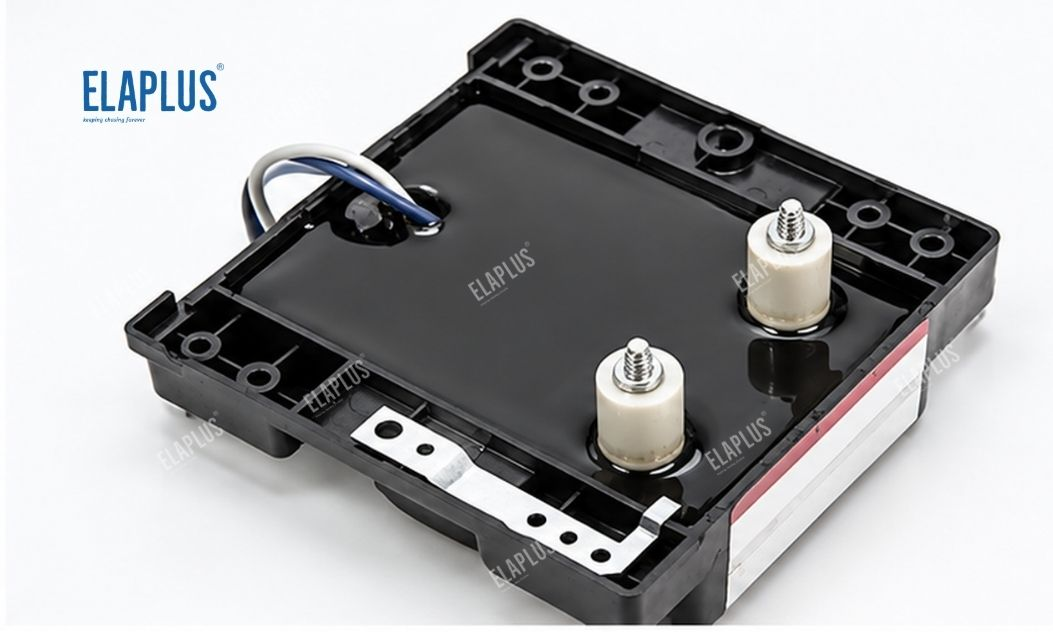
Ignition Transformer Potting
1. Why Do Ignition Controller PCBs Require Potting?
Ignition controllers generally contain control circuits, drive components and electrical interconnections. For electronics requiring environmental protection, potting compound covers selected PCB areas and reduces direct exposure of circuits to moisture and contaminants.
When modules are subjected to vibration or temperature cycling during equipment operation, properly selected potting material delivers mechanical protection to components and absorbs partial structural deformation.
For circuits with high-voltage requirements, the electrical insulation performance of the potting material is a critical indicator. However, potting does not eliminate the original design requirements for electrical clearance, creepage distance and other safety provisions.
If the ignition controller uses a sealed or semi-sealed housing, the protection strategy for connectors, cable entry points and housing joints must also be considered comprehensively. Potting compound is only one part of the complete electronic protection scheme and cannot replace all structural sealing measures.
2. Why Recommend PUR 1670 Two-Component Polyurethane Potting Compound?
ELAPLUS PUR 1670 A/B is a two-component solvent-free polyurethane potting material, curable at room temperature or under heat, with good flowability and extended pot life.
After curing, it retains moderate flexibility, together with electrical insulation, moisture resistance, low-temperature tolerance and adhesion to a wide range of metal and plastic substrates. Typical applications include control power supplies, ignition controllers and other electronic assemblies.
Its thermal conductivity is 0.25 W/(m·K). Accordingly, PUR 1670 is positioned primarily as an insulation and environmental protection potting material, not a high-thermal-conductivity heat dissipation material.
PUR 1670 is preferred for ignition control PCBs with low heat generation that mainly require insulation and flexible protection. For modules with significant thermal management demands, re-evaluate the thermal path and benchmark alternative suitable materials.
3. How to Select Potting Compounds for Ignition Controllers?
Ignition controllers differ in operating voltage, PCB power rating and mounting structure. Material selection should not rely solely on hardness or price.
Polyurethane systems can be considered for modules requiring elastic protection; epoxy grades may be further evaluated for assemblies needing higher structural rigidity.
| Selection Index | PUR 1670 Characteristics | Value for Ignition Controller Applications |
|---|---|---|
| Material System | Two-component polyurethane | Suitable for electronic circuit potting and protection evaluation |
| Curing Method | Room-temperature or heat curing | Select based on component temperature resistance and production line conditions |
| Processing Features | Low viscosity, long pot life | Facilitates stable potting process setup |
| Post-Cure Performance | Moderate flexibility | Accommodates mechanical and thermal deformation |
| Electrical Properties | Electrically insulating | Insulation for designated circuits |
| Environmental Resistance | Moisture-resistant | Reduces direct environmental exposure of circuits |
| Thermal Conductivity | 0.25 W/(m·K) | Not intended for high-conductivity thermal dissipation |
| Substrate Compatibility | Evaluable on many metals and plastics | Validation required with actual PCBs and housings |
If environmental sealing and insulation are the core requirements, focus on the process and mechanical performance of PUR 1670. If substantial heat must transfer through the potting layer to a metal housing, reassess the material’s thermal conductivity.
For high-voltage modules, insulation validation must follow the actual electrical design. Polyurethane chemistry alone does not guarantee compliance with all electrical safety requirements.
4. Why Pay Attention to the Electrical Architecture of Ignition Controllers?
Unlike ordinary low-voltage signal control boards, some ignition controllers operate at high voltage, with rapid voltage swings or transient electrical stress.
When defining potting boundaries, first identify zones at different potentials, terminals and critical insulation locations, and confirm the material will not compromise the original electrical design.
For high-voltage connection zones, inspect conductor spacing, insulation surfaces, housing geometry and other design requirements carefully. Even well-insulated potting material cannot be treated as a substitute for all electrical clearances.
For modules with high-voltage pulse outputs, electrical reliability must be verified under real operating conditions. Suitability of PUR 1670 for a specific high-voltage pulse structure shall be confirmed by full-assembly testing and cannot be inferred from general insulation performance.
5. Matching PUR 1670 with PCB and Housing Structures
Ignition control modules may use FR-4 substrates, plastic housings, metal terminals and other electronic components. The potting material must form stable bonds with contacted substrates while leaving functional interfaces unobstructed.
Define non-potting zones for connectors, test points and serviceable areas per product design. If components have special encapsulation specifications, confirm whether direct coverage by the compound is permitted.
For PCBs with height variations inside the housing, set glue height and fill volume to avoid excess build-up that hinders assembly.
If the PCB is fastened by screws or brackets, the mechanical structure shall carry the primary loads first; potting provides supplementary protection only where required.
For plastic housings, test adhesion using mass-production parts. Resin grade, fillers and surface treatments directly impact final bonding performance.
6. Automated Potting Process for Ignition Controllers
PUR 1670 is a two-component system; metering and mixing equipment can be assessed according to production needs. Always follow the specified mix ratio and cure profile for this product — do not copy parameters from other polyurethane potting grades.
Before dispensing, confirm the PCB has passed functional tests and verify housing and PCB surfaces are clean. Mask or fixture connectors, test points and other no-dispense zones.
During dispensing, locate dispense points rationally based on cavity geometry and control shot size, flow rate and glue height. Maintain process records for mass production to ensure batch consistency.
Cure under the specified profile and confirm the curing cycle does not damage electronic components or plastic housings.
For continuous production lines, match the material pot life with machine tact time to prevent mixed material from dwelling too long inside equipment.
7. Performance Validation after Potting Ignition Controllers
Prepare test samples using the actual BOM including PCBs, drive components, terminals and housings, and pot with the planned mass-production process.
First, inspect potting coverage, glue height and cure state to confirm the compound covers target zones without interfering with connectors or other functional features.
Next, run insulation and functional tests according to the controller’s operating voltage, load and electrical design. Add test items corresponding to real electrical stress for high-voltage pulse circuits.
Temperature-rise testing is performed under specified operating conditions, focusing on heat-generating components and surrounding structures. Since PUR 1670 is not a high-conductivity material, do not assume potting will improve module heat dissipation.
Environmental reliability testing includes thermal cycling, damp heat and required mechanical tests. Recheck electrical functionality and potting layer integrity after exposure.
ELAPLUS: Select adhesives based on service conditions, not just stack parameters. Final selection of potting material for ignition controllers must satisfy electrical insulation, structural protection, environmental compatibility and mass-production process requirements.
8. Common Pitfalls in Ignition Controller Potting Selection
One frequent misconception: any insulating potting material is automatically suitable for high-voltage circuits. In reality, ignition controllers vary in working voltage, pulse characteristics and insulation layout; validation against the full electrical design is mandatory.
Another misunderstanding: all polyurethane potting compounds offer high thermal conductivity. PUR 1670 has a thermal conductivity of 0.25 W/(m·K), so fitness must be judged by thermal design.
Also avoid interpreting long pot life as unlimited working time. Two-component materials have a defined process window once mixed; equipment and ambient conditions must be controlled accordingly.
For continuously operated industrial control modules, check material compatibility among housing, PCB and terminals. A single visual pass after potting is not sufficient to release to mass production.
9. Material Adaptation for Different Ignition Control Modules
For PCBs mainly performing signal processing and drive control with low heat generation and dedicated potting cavities, prioritize evaluation of PUR 1670 for insulation, moisture resistance and flexible protection.
For ignition control modules integrating high-voltage output, complete electrical safety and insulation design first before assessing potting material suitability.
For controllers permanently installed in industrial equipment, define potting depth based on operating temperature, vibration environment and service requirements.
For ignition assemblies with significant heat dissipation requirements, re-evaluate thermal management materials and structural design; do not reuse the standard control board potting scheme.
FAQ
Q: What potting adhesive is recommended for ignition controller PCBs?
A: PUR 1670 A/B two-component polyurethane potting compound is preferred for electronic control modules requiring insulation, moisture resistance and flexible protection.
Q: Can PUR 1670 cure at room temperature?
A: It supports room-temperature or heat curing. Follow the official product specification for exact conditions.
Q: Is PUR 1670 suitable for high-thermal-conductivity potting?
A: Its thermal conductivity is 0.25 W/(m·K), so it is not intended for high-conductivity heat dissipation applications.
Q: Is insulation testing still required after potting the ignition controller?
A: Yes. Validation shall be performed according to operating voltage, pulse characteristics and product electrical safety requirements.
Q: Is PUR 1670 suitable for automated potting?
A: It can be evaluated with two-component metering and mixing equipment. Configuration depends on process requirements, fill volume and production tact time.