ELAPLUS PUR 1602 adhesive can be evaluated for TPU-to-TPU bonding. Key verification items include flexibility matching between the bond line and TPU substrates, interfacial adhesion, and joint stability after repeated flexing. For flexible sleeves, elastic structural parts and industrial protective components, the adhesive shall not only form a reliable bond but also avoid overly rigid local bond lines that restrict product deformation.
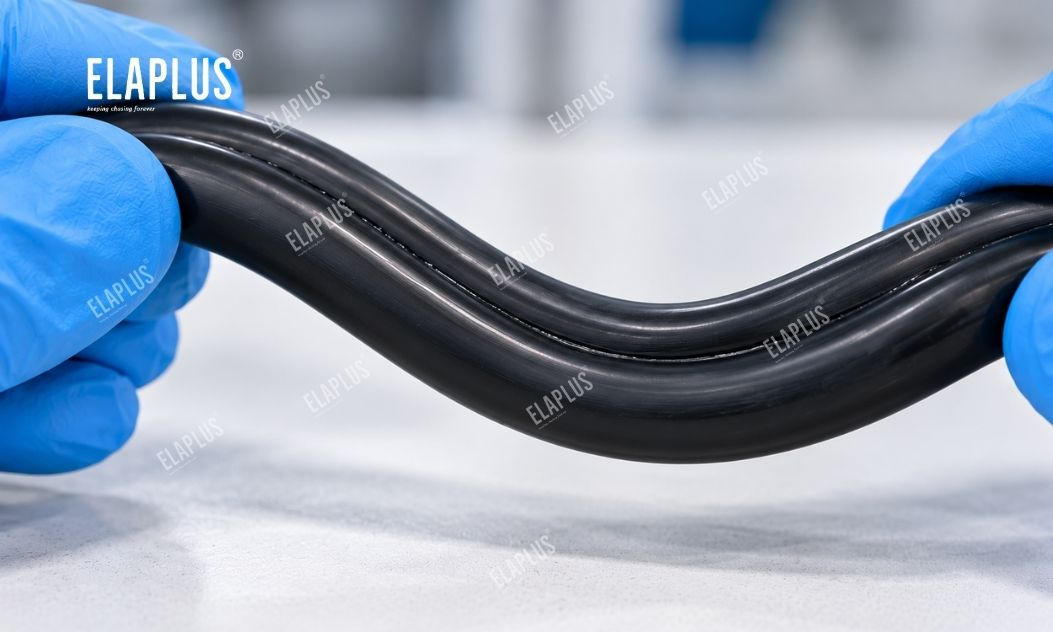
TPU is a thermoplastic polyurethane elastomer with good abrasion resistance and elasticity, widely used for cable jackets, industrial protectors and flexible structures. Different TPU grades vary in hardness, surface condition and processing method, so the performance of the same adhesive may differ across materials.
1. Why Flexibility Matters for TPU-to-TPU Bonding
For TPU assemblies subject to repeated bending or stretching, mismatch in deformability between the bond line and substrate can concentrate stress at the bond edge and shorten joint service life.
For TPU parts only for static positioning, selection focuses mainly on adhesion strength and dimensional stability. For dynamic flexible structures, reliability under repeated flexing, peeling and long-term deformation shall be further evaluated.
2. Material Selection with PUR 1602 for TPU Bonding
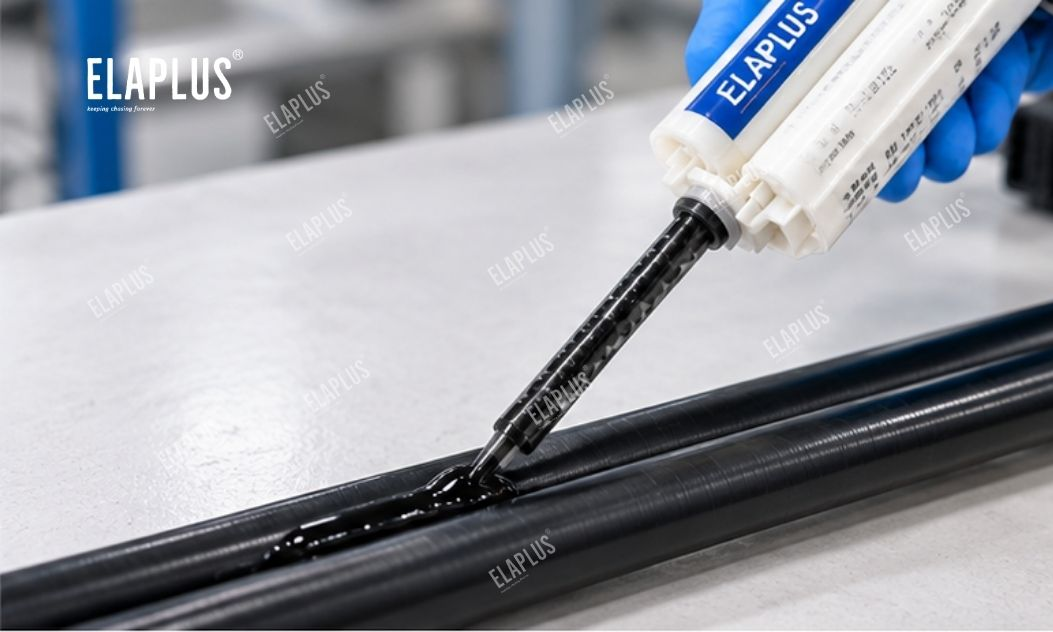
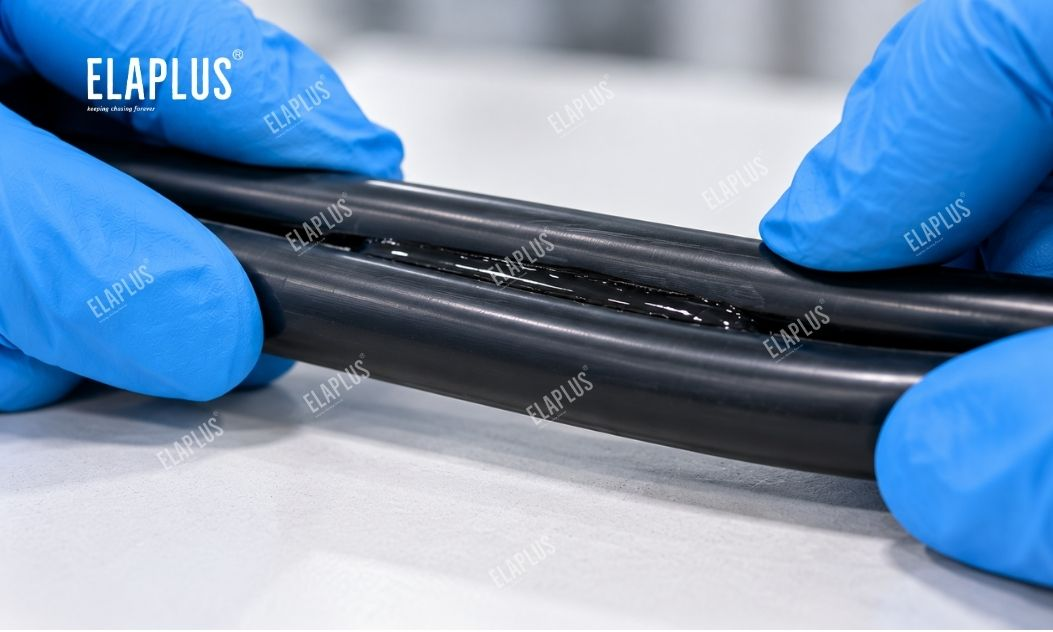
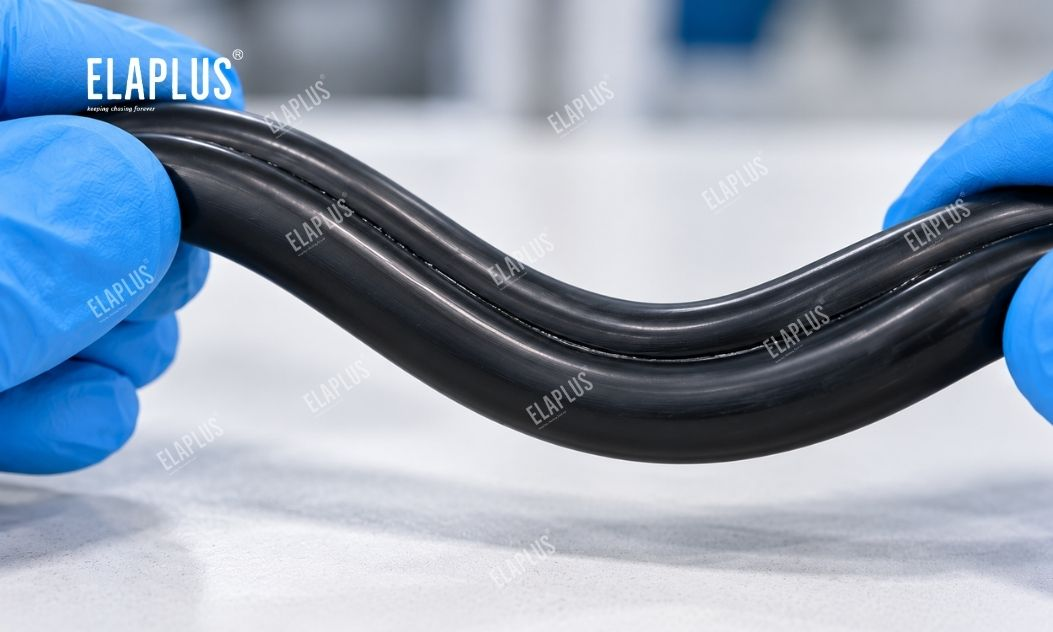
ELAPLUS PUR 1602 is a candidate grade for TPU-to-TPU joints. Suitability shall be verified against material grade, cured adhesive properties and actual service conditions.
| Application Requirement | Selection Focus | Recommended Validation |
|---|---|---|
| TPU flexible sleeve | Bond line flexibility and adhesion | Flex test and peel test |
| TPU industrial protector | Bond area and structural strength | Tensile test and environmental ageing |
| TPU sealing structure | Continuity of the adhesive layer | Seal test and deformation test |
| TPU positioning component | Dimensional stability and assembly accuracy | Dimension check before and after cure |
3. Process Control for TPU Bonding
Before bonding, confirm that TPU surfaces are free of obvious grease, dust and processing residues. For different TPU grades or specially surface-treated TPU, compatibility tests shall be carried out using actual production materials.
During dispensing, control lap area and bond-line thickness to avoid excessive adhesive buildup. For structures subject to repeated flexing, avoid concentrating peel stress directly at bond edges where possible.
After full cure, perform tests along the actual deformation direction of the product. Manual pulling alone is not sufficient to qualify the bond.
4. Applicable Fields for TPU Bonding
This TPU bonding solution applies to flexible protective parts for industrial equipment, cable protection structures, auxiliary elastic sealing assemblies and other joints requiring material bonding. Since products differ in load, temperature and contact media, separate validation shall be conducted case by case.
ELAPLUS: Select adhesives based on service conditions, not just stack parameters. TPU-to-TPU selection shall consider material grade, bond line flexibility and actual deformation conditions together.
FAQ
Q: Hard or soft adhesive for TPU-to-TPU bonding? A: Determined by structural loading. Dynamic flexing structures require special attention to deformation matching between adhesive and substrate.
Q: Is PUR 1602 suitable for all TPU grades? A: This cannot be assumed. Validation shall be performed on the actual grade and surface condition.
Q: Is a flex test required after TPU bonding? A: If the product undergoes repeated bending in service, corresponding durability validation is recommended.