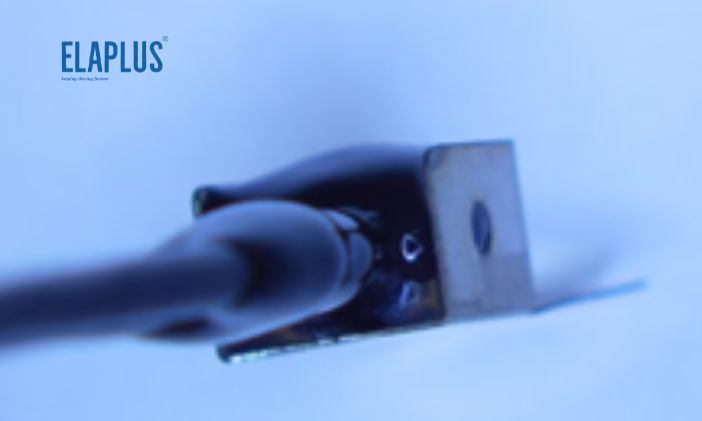
In modern industrial and automotive electronics applications, temperature sensors play a key role, especially NTC (Negative Temperature Coefficient) components, which are used to accurately monitor temperature changes and ensure safe operation of equipment. However, with the increasing complexity of application environments, temperature sensors face many challenges:
NTC component encapsulation
Background and Challenges
High temperature and high humidity environment
Temperature sensors often operate within a wide temperature range of -50 ℃ to 180 ℃, and require long-term resistance to external environmental erosion such as moisture, dust, and oil. Ordinary packaging materials are prone to cracking, detachment, or performance degradation.
Mechanical stress and vibration impact
NTC components are usually small in size and precise, and are susceptible to vibration, impact, or stress during installation. If the packaging material has high rigidity or poor fluidity, it can cause component damage or poor contact.
Multi material bonding requirements
The temperature sensor component involves different materials such as metal, ceramic, fiberglass cloth, aluminum, and plastic. The encapsulation adhesive needs to be able to wet well and provide high-strength bonding to avoid cracking caused by thermal expansion and contraction.
Yilian EP 2029- Ideal Solution for NTC Packaging of Temperature Sensors
EP 2029A/B is a 2:1 two-component epoxy structural adhesive with thixotropy, which does not sag after dispensing and is very suitable for precision component packaging. Its main advantages include:
High reliability packaging: resistant to a wide range of high and low temperatures (-50 ℃ -180 ℃), maintaining stable physical and chemical properties for a long time.
Excellent adhesion: It has excellent adhesion to various materials such as metal, ceramic, fiberglass cloth, plastic, and aluminum, reducing the risk of component cracking or detachment.
Resistance to environmental erosion: After solidification, the colloid can resist moisture, oil stains, and other atmospheric components, without solvents or solidification by-products, reducing secondary pollution.
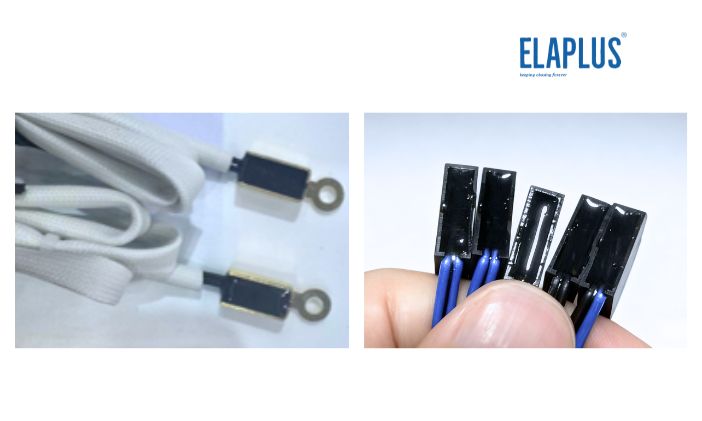
Easy to operate: It can be cured at room temperature or by heating, with a mixing ratio of 100:50 (weight ratio). The thixotropic design ensures precise dispensing and avoids sagging and waste.
Widely applicable: Suitable for metal bonding, ceramic film component sealing, soft magnetic unit sealing, aluminum honeycomb panel splicing, and high-temperature sensor packaging.
View EP 2029 product details
The reliability of temperature sensors depends not only on the components themselves, but also on high-performance packaging materials. EP 2029 provides safe, stable, and long-term protection for NTC components through excellent adhesion, wide temperature performance, and environmental tolerance, enabling temperature sensors to remain accurate and reliable in complex environments.
Elaplus EP 2029- Making temperature sensor packaging more stable, professional, and durable.
Tags: EP 2029 · NTC encapsulation adhesive · Two component epoxy adhesive · ELAPLUS · Temperature sensor adhesive · Epoxy structural adhesive · Precision component sealing · High temperature weather resistant adhesive