Intelligent equipment upgrade, higher packaging requirements for pressure sensors
With the rapid development of drones, humanoid robots, robotic dogs, and CNC precision equipment, pressure sensors have become key sensing units widely used for:
Air pressure/altitude detection
Force feedback and tactile perception
Hydraulic and pneumatic pressure monitoring
These new application scenarios generally have the following characteristics:
Equipment miniaturization and highly integrated structure
Continuous vibration and impact during operation
Extremely high requirements for measurement stability and long-term reliability
In this context, the internal sealing material of pressure sensors is no longer just a simple protective material, but a key factor that directly affects the accuracy, stability, and service life of the sensor.
Industry challenges
The Three Core Difficulties in Sealing Pressure Sensors
Challenge 1: Devices are extremely sensitive to stress
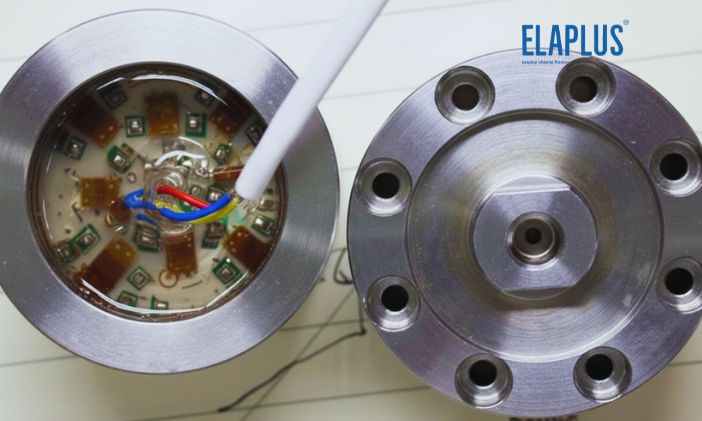
Pressure sensors typically contain MEMS chips, sensitive membranes, and fine lead structures inside.
If the hardness of the sealing material is too high or the curing shrinkage is large, it is easy to generate internal stress after packaging, resulting in:
zero drift
Decreased sensitivity
Long term stability deteriorates
Challenge 2: Vibration and impact under dynamic working conditions
In applications such as drones and robotic dogs, sensors need to withstand long-term:
high-frequency vibration
Instantaneous impact acceleration
Structural stress changes caused by repeated start stop cycles
The sealing material must have good buffering and shock absorption capabilities, rather than simply “filling”.
Challenge Three: Balancing Environmental Protection and Signal Stability
In complex environments, potting materials need to achieve both:
Moisture, dust, and pollution prevention
Long term reliable protection
At the same time, it cannot interfere with the transmission of pressure signals, which puts higher demands on the flexibility and stability of the material.
Solution
Filling Scheme of SIGEL 1806 Low Stress Silicon gel Pressure Sensor
SIGEL 1806 is a two-component silicon gel material specially designed for precision electronic and pressure sensor packaging, which can effectively meet the above challenges.
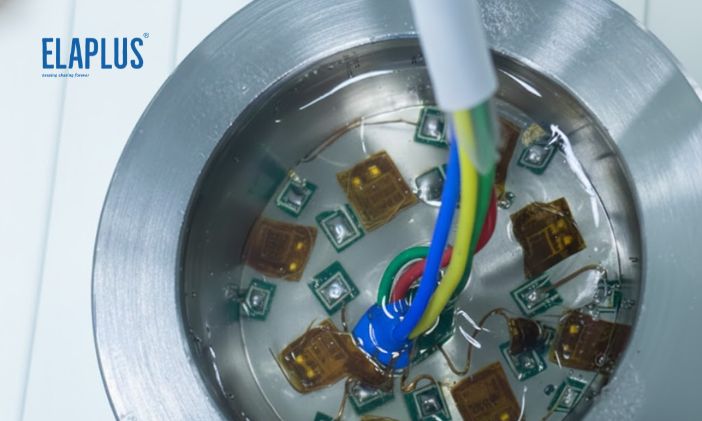
Core advantages of the plan:
1: 1 Two component silicon gel system
Simple ratio, suitable for manual or automated dispensing and sealing processes
Extremely low hardness, needle penetration (1/10) 75 mm
After curing, it is in a flexible gelled state, and hardly produces mechanical stress on MEMS chips and sensitive membranes
Excellent stress release and buffering ability
Provide continuous protection for sensors under temperature changes, vibration, and impact conditions
Reliable environmental protection performance
Effectively isolate water vapor and pollutants, improve the long-term stability and service life of pressure sensors
Applicable application scenarios:
Drone pressure/altitude sensor
Human robot, robot dog force feedback and pressure sensing module
CNC equipment and industrial automation pressure detection unit
For pressure sensors, encapsulation is not only about “protection”, but also a key process step that determines measurement stability and lifespan.
SIGEL 1806 provides a more reliable and “friendly” packaging option for pressure sensors in new generation intelligent equipment through low stress and flexible gel packaging.
Label: MEMS sensor packaging · SIGEL 1806 · Low stress potting glue · Pressure sensor potting · UAV sensor glue · Robot sensor potting · Silicon gel potting

